

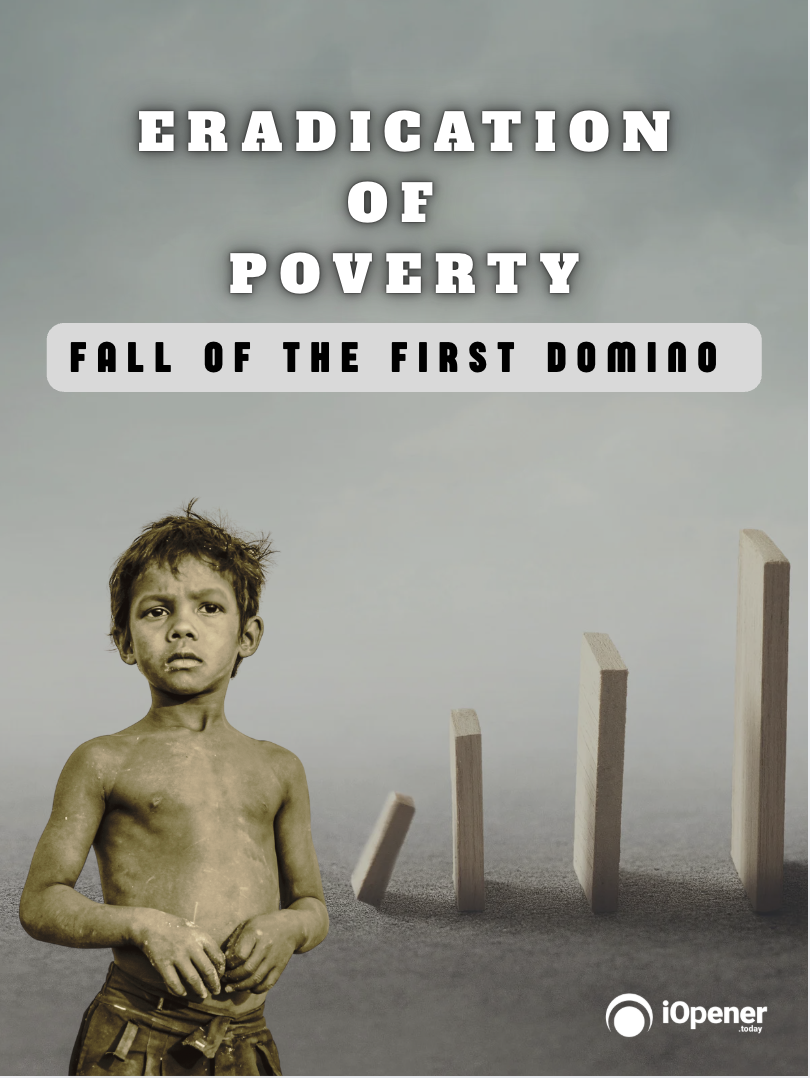
The eradication of poverty is not just an economic mission but it is a moral and human one. Poverty, at its very core, is not just about the absence of money, it is about the absence of dignity. It is the quiet erosion of one’s ability to make choices, to dream, and to live with self-respect. Too often, we measure poverty by income lines, but the truer, deeper measure is the quality of life one can live. Can a mother feed her child without anxiety? Can a young person aspire beyond survival? Can an elder rest without fear of tomorrow? These are the real markers of dignity and the eradication of poverty must begin by restoring them.
The United Nations’ theme on the eradication of poverty this year invites us to look beyond charity and welfare. It asks us to look at systems, policies, and mindsets that shape how we, as a society, define what is “Poverty.” For too long, the privileged design solutions for the marginalized. But true progress happens when those living in poverty are active co-creators of change. Their lived experiences hold the wisdom that policies cannot capture from conference rooms alone.
At the heart of change lies mindset. Whether we are policy-makers, educators, or ordinary citizens, we must reframe how we see poverty. It is not a personal failure but a collective responsibility. When we move from control to care, we begin to design systems that start with trust rather than suspicion. Imagine welfare services that treat people with empathy instead of bureaucracy, where paperwork does not become a wall between need and relief, and where every citizen is met with respect and dignity.
Similarly, we must move from surveillance to support. Our social systems often spend more energy monitoring and restricting people than uplifting them. Rebalancing these priorities means investing in what truly strengthens families with income support, affordable housing, childcare, mental health care, parenting support, and access to justice. These are not luxuries; they are the foundations of a dignified life. When a person’s basic needs are met, they can rise from surviving to thriving.
And finally, we must move from top-down solutions to co-created ones. Eradication of poverty cannot be imported into communities; it must grow from within. Policies will be meaningful only when those who live in poverty participate in assessing, designing, budgeting, and evaluating them. Their voices are not optional, they are essential.
The eradication of poverty is therefore not merely about increasing incomes but it’s about restoring dignity, justice, and opportunity for every human being. It is about restoring faith in people, in systems, and in the idea that dignity is a universal right, not a privilege. The first domino in this transformation is mindset. Our willingness to shift from seeing poverty as a number to seeing it as a human condition we can and must change. When we begin to care rather than control, to support rather than surveil, and to co-create rather than impose, we do more than fight poverty, we build a world where every human being can live with the dignity they deserve.


 From Rejection to Redemption: The Comeback Story of Jemimah Rodrigues